The Strategic Importance of Aerial Perspective
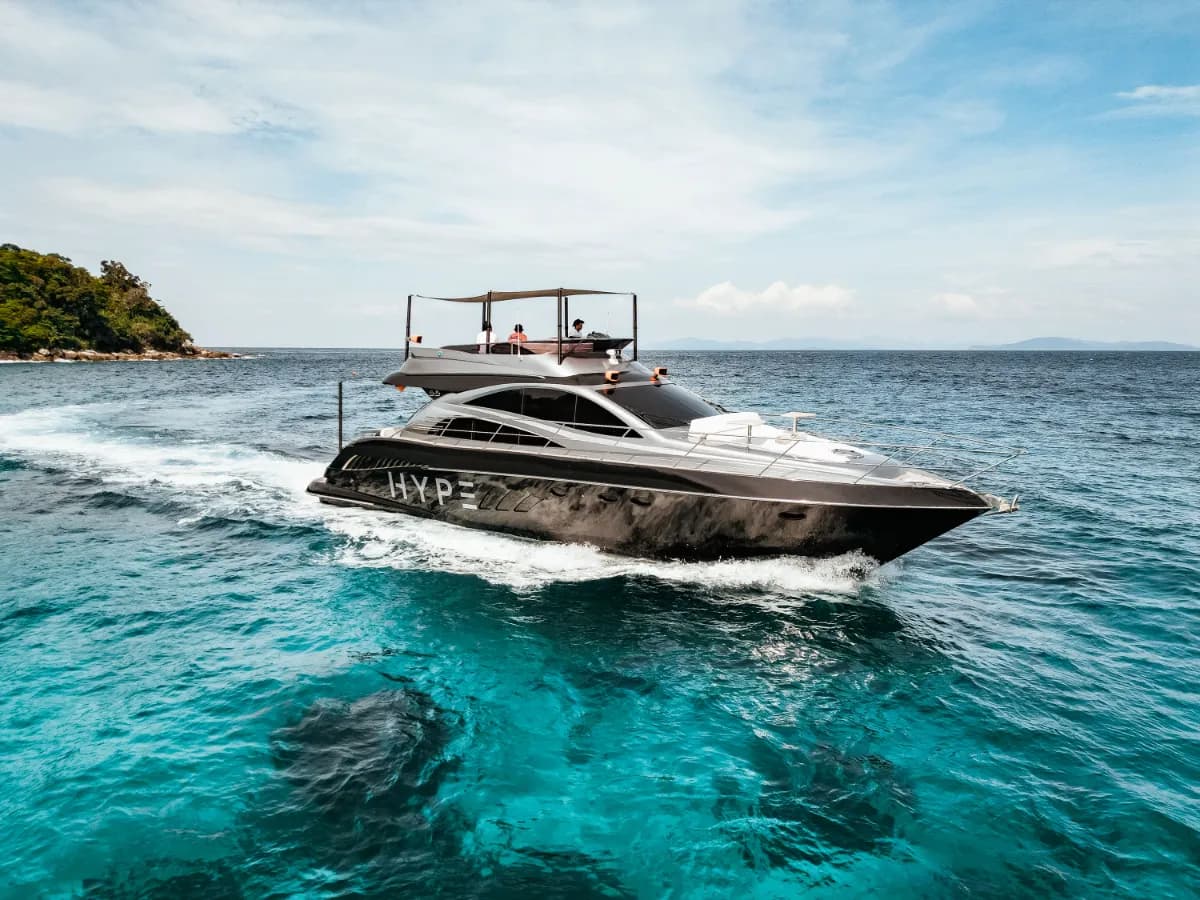
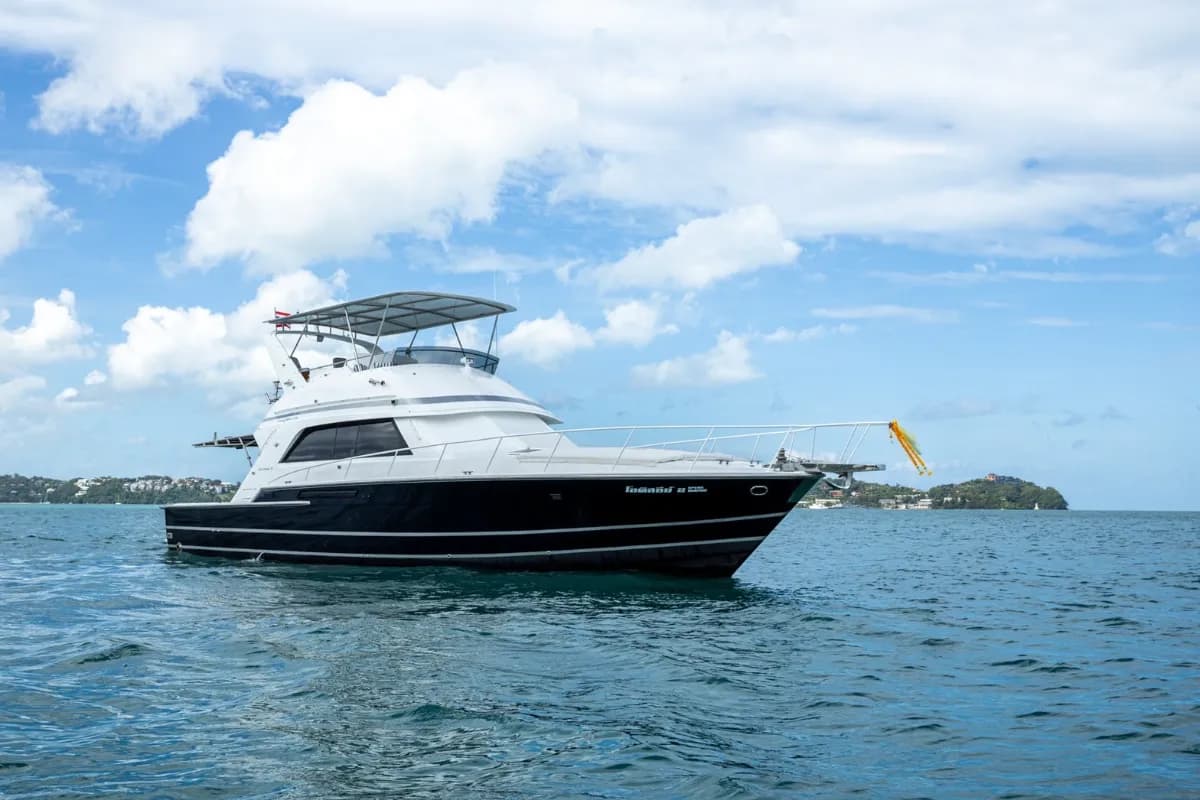
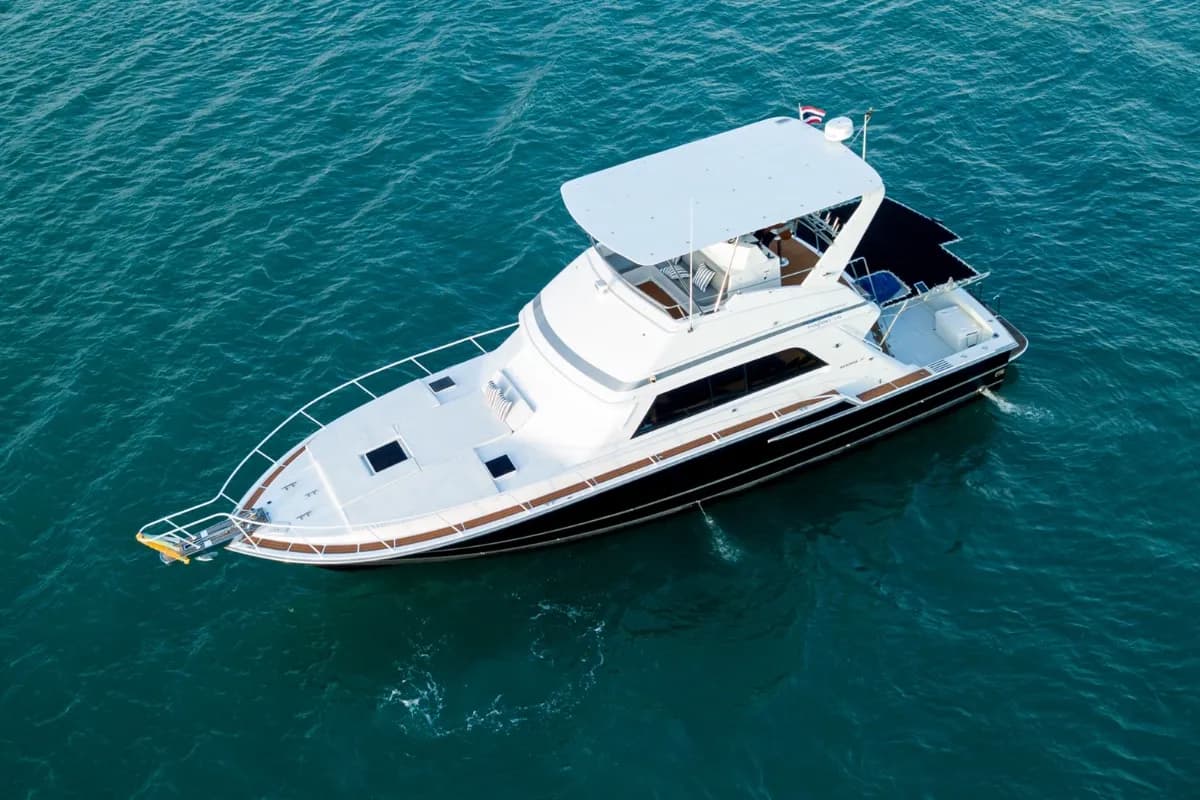
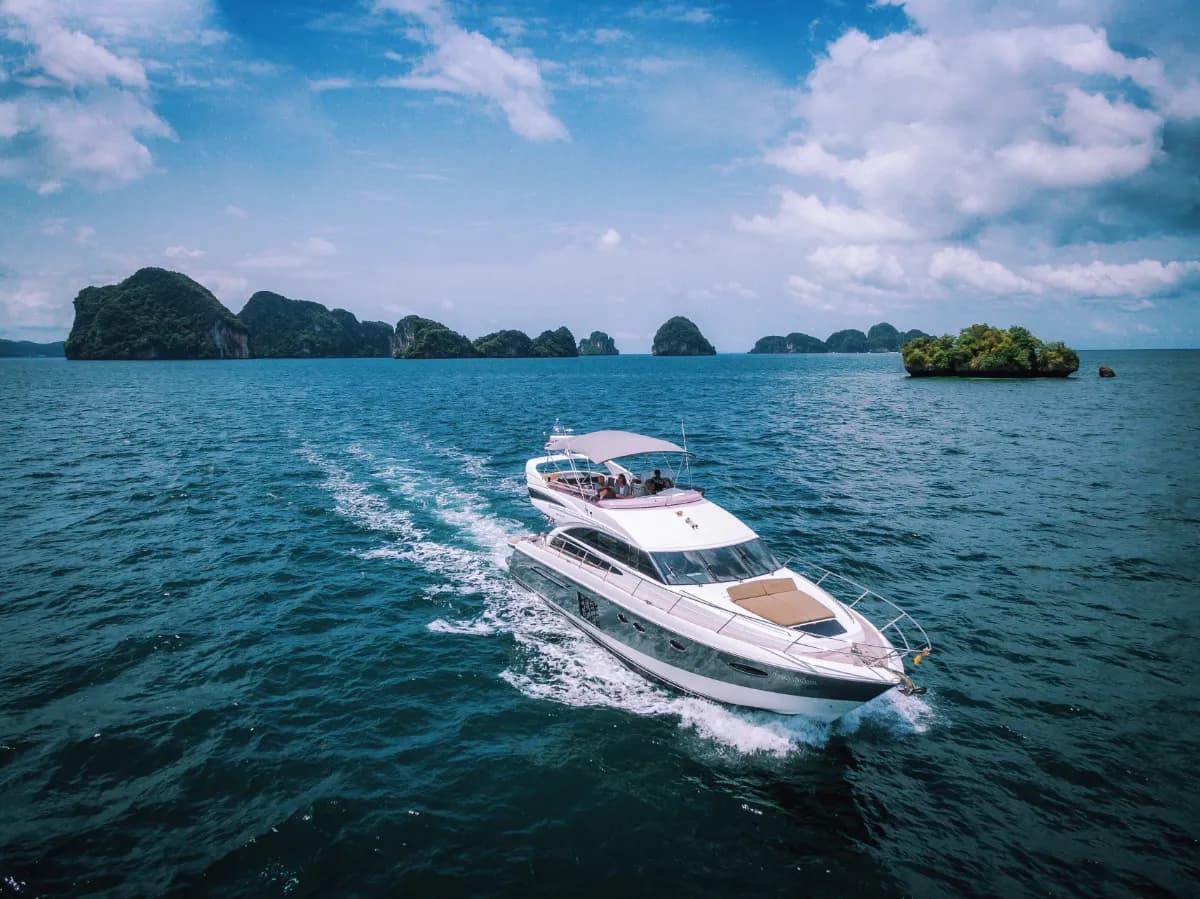
In the maritime environment, standard photography is limited by the horizontal plane of the deck. Drone videography introduces a vertical dimension, providing a high-definition overview of the vessel’s interaction with the ocean and the surrounding topography. For a private charter, aerial footage serves as the definitive record of the journey, capturing the scale of limestone karsts, the clarity of coral reefs, and the sleek lines of the yacht in motion. Achieving professional-grade results requires a combination of technical precision, environmental awareness, and strict adherence to maritime regulations.
Technical Flight Operations at Sea
Operating a Remotely Piloted Aircraft (RPA) from a moving vessel is a complex technical task. Unlike land-based flights, the "Home Point" is dynamic. If the drone is set to "Return to Home" based on its takeoff coordinates while the yacht is cruising at 15 knots, the aircraft will land in the water.
Dynamic Home Point Management: The pilot must manually update the home point to the controller’s current GPS position or utilize "Follow Me" modes with high-precision sensors.
Hand Launch and Recovery: Due to the limited space and potential magnetic interference from the yacht’s steel or carbon fiber hull, hand-launching and catching are standard professional techniques. This requires a two-person team: one pilot and one dedicated catcher wearing protective gloves.
Polarization and Exposure: The high reflectivity of the ocean necessitates the use of Neutral Density (ND) and Polarizing (PL) filters. These tools reduce glare, allowing the camera to see beneath the water's surface to reveal the reef structures below.
Filter Type | Primary Function | Lighting Condition |
ND8 / ND16 | Reduces shutter speed for cinematic motion blur | Overcast or Golden Hour |
ND32 / ND64 | Prevents overexposure in harsh tropical light | Midday Full Sun |
CPL (Circular Polarizer) | Cuts water surface reflections | High-angle reef shots |
Strategic Cinematic Maneuvers
To create a high-impact maritime film, pilots utilize specific flight patterns that emphasize the vessel's speed and the environment's scale.
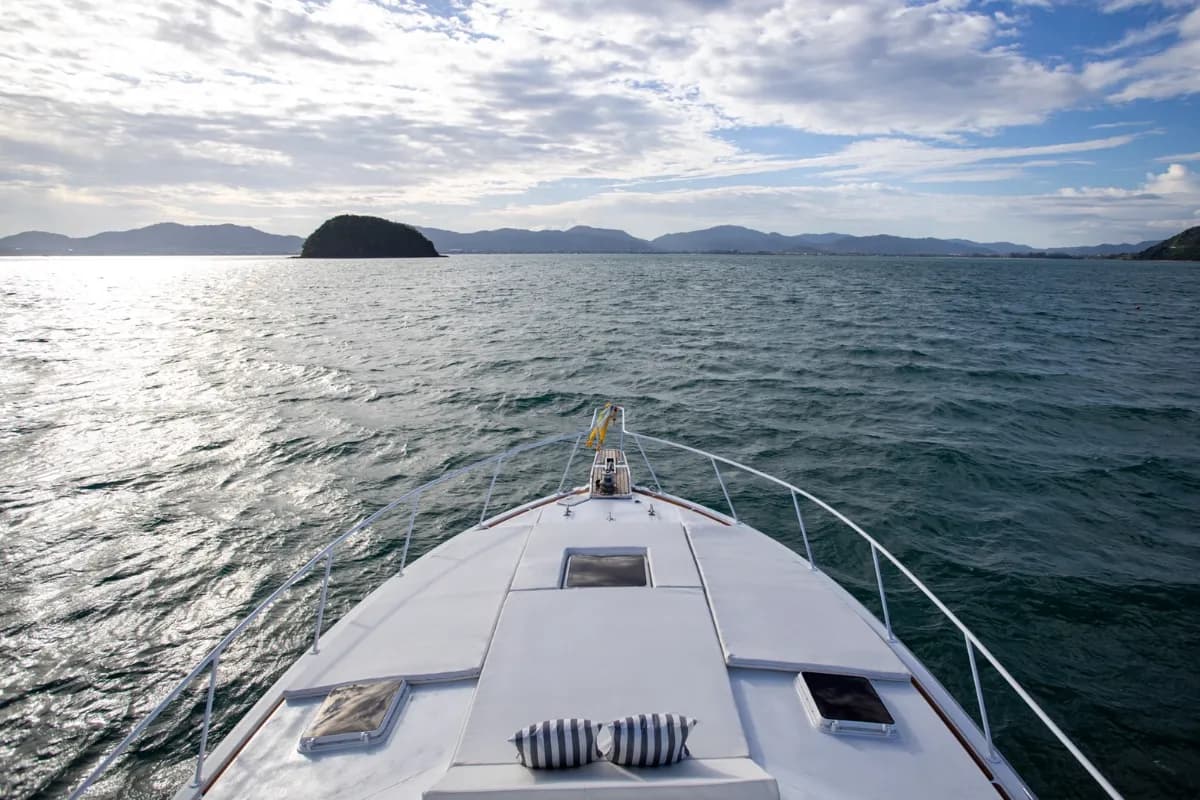
The Lead-In Chase: Flying low at the bow of the yacht while it is at cruising speed, then rising rapidly to reveal the island destination ahead.
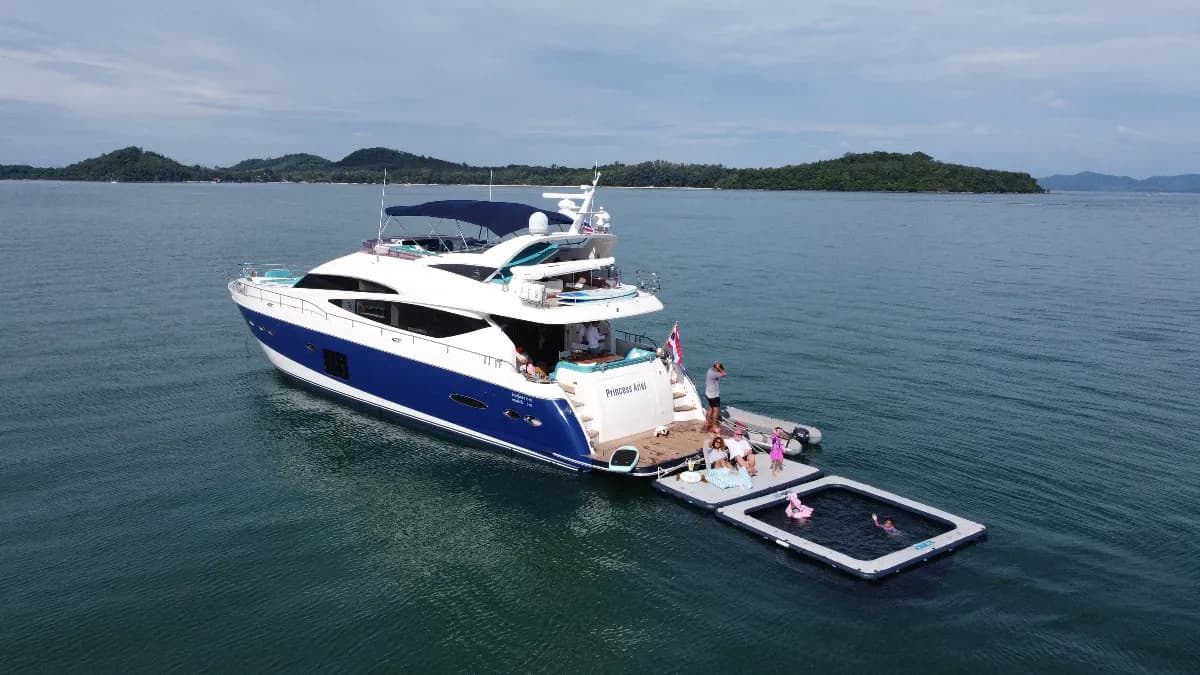
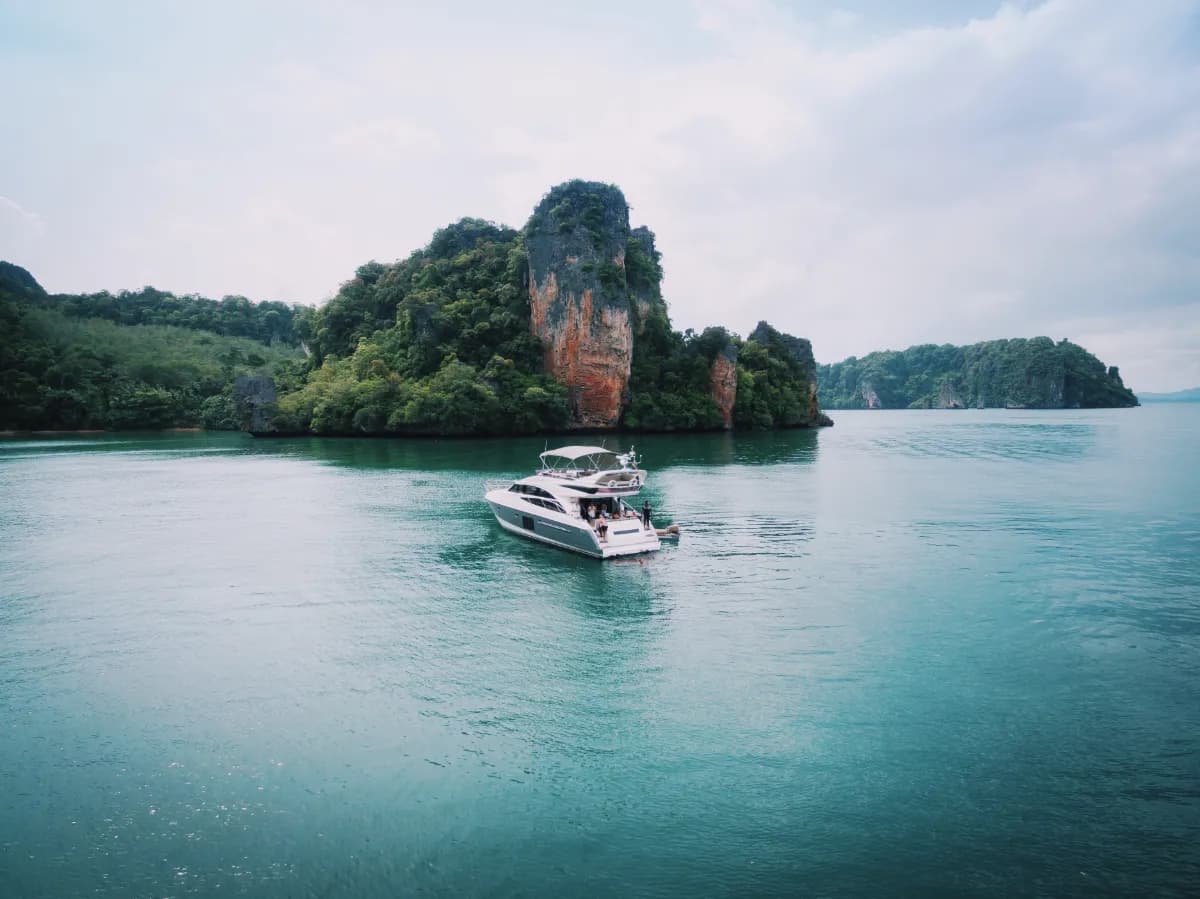
The Orbit: A 360-degree rotation around the vessel while maintaining a consistent distance. This highlights the yacht’s design and the isolation of the anchorage.
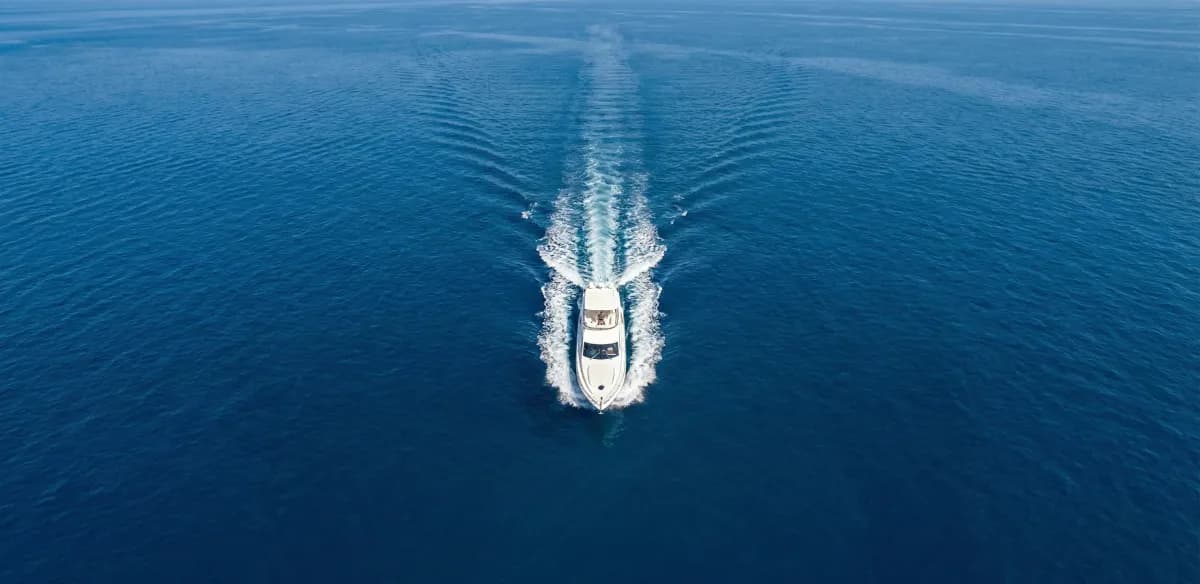
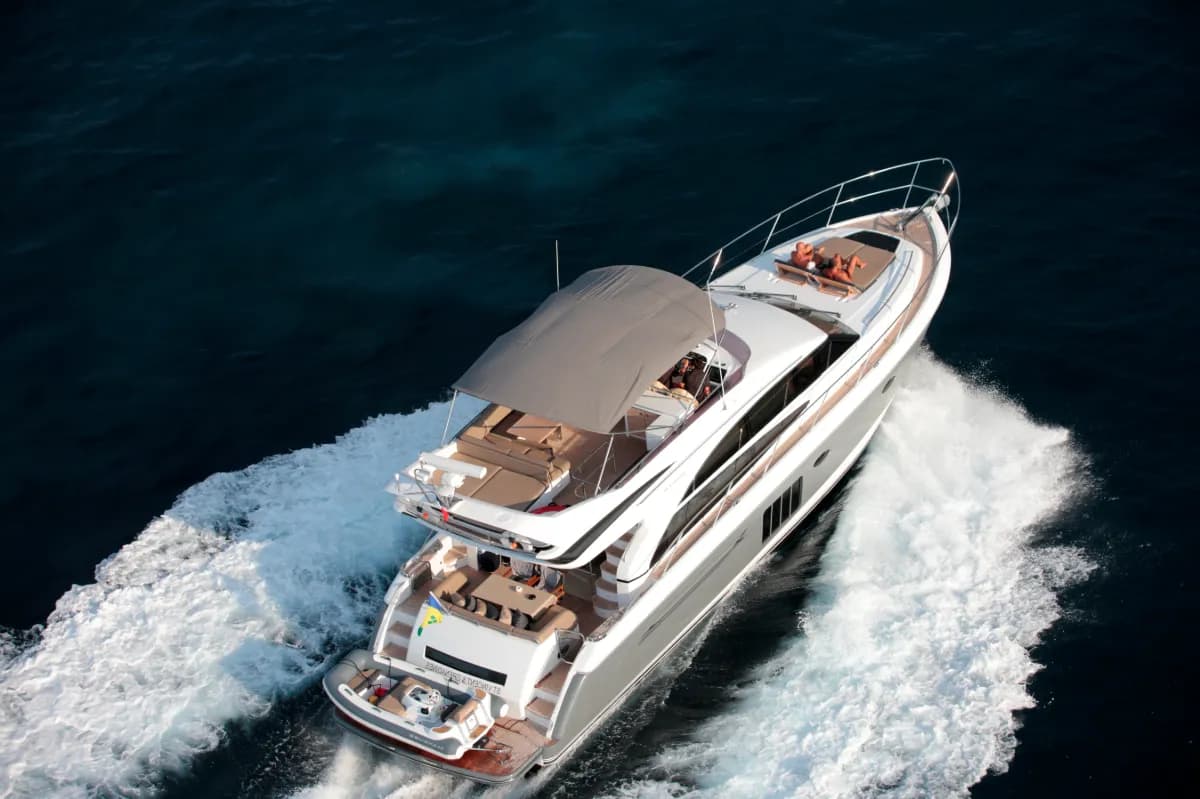
The Top-Down Reveal: A 90-degree gimbal pitch facing directly downward. This is most effective when the yacht is positioned over a transition from turquoise shallows to deep indigo water.
Regulatory and Safety Protocols
The use of drones in Thailand is governed by the Civil Aviation Authority of Thailand (CAAT) and the National Broadcasting and Telecommunications Commission (NBTC). Non-compliance can lead to vessel impoundment or significant fines.