The Strategic Expansion of the Family Voyage
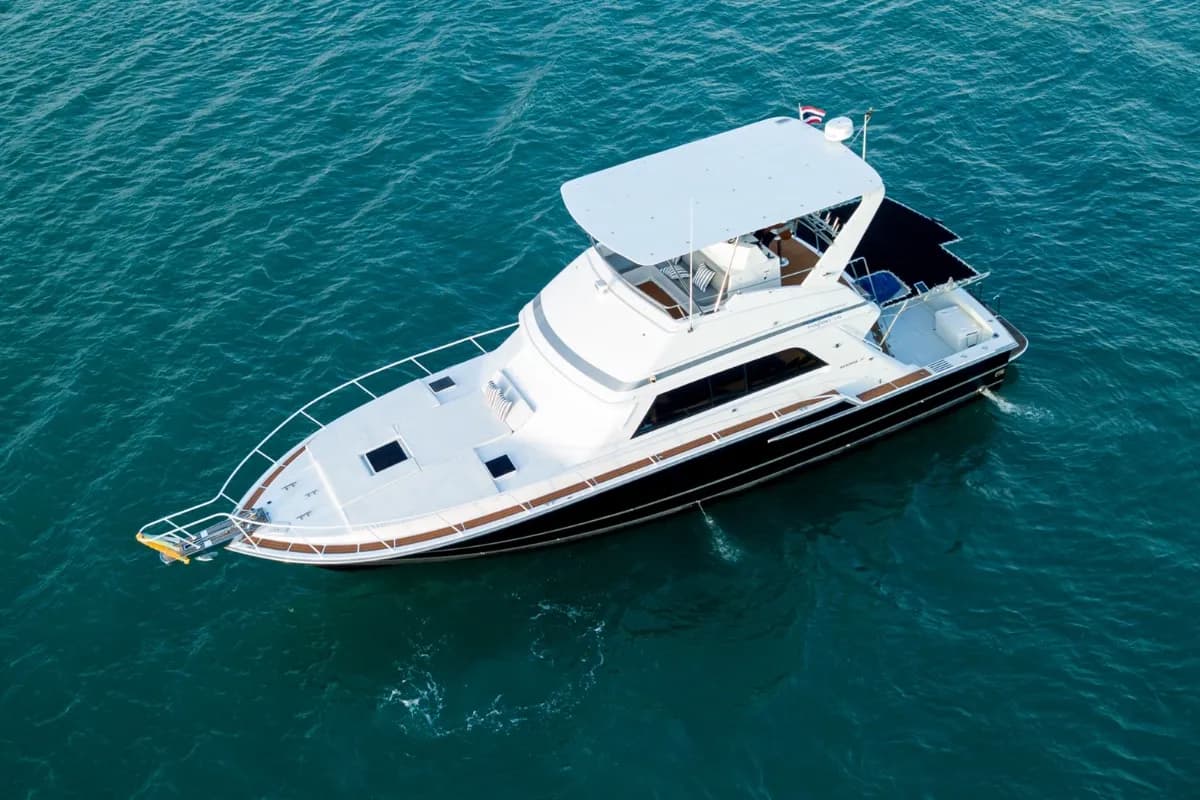
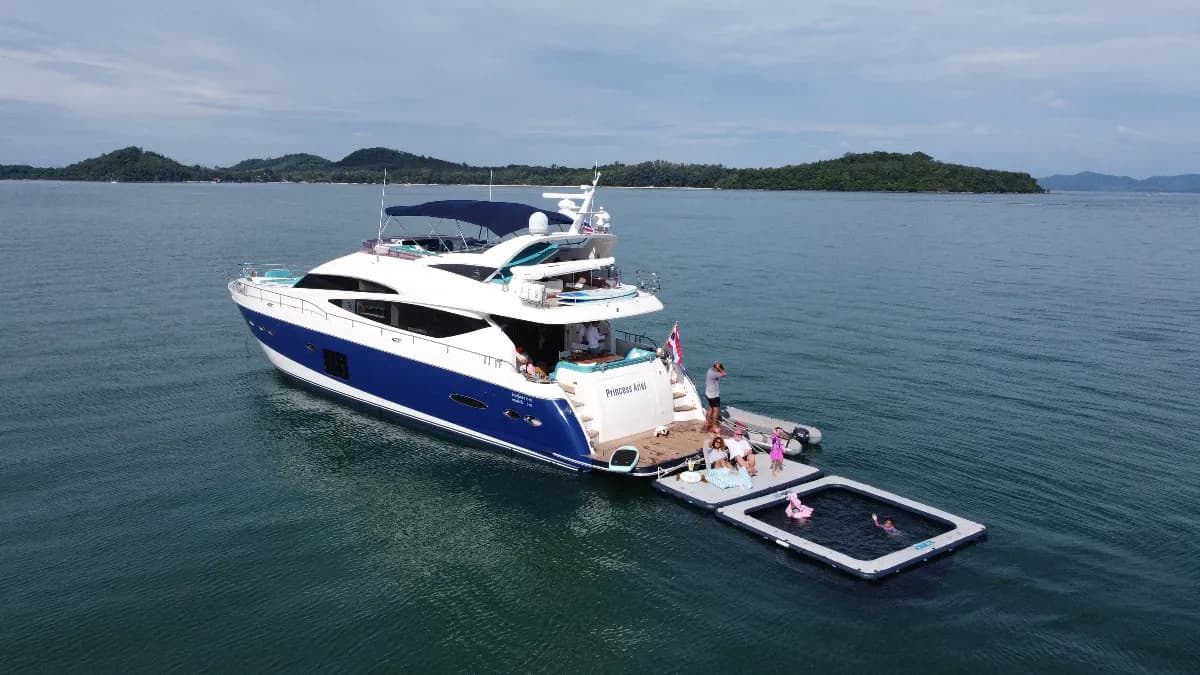
Incorporating a canine companion into a private yacht charter is a growing trend that requires a shift from standard passenger logistics to a specialized "Pet-on-Board" protocol. While dogs naturally adapt to open spaces, the maritime environment introduces unique variables-such as unstable footing, reflected UV radiation, and limited waste management options-that must be addressed with tactical foresight. A successful pet-friendly voyage is defined by the balance between the animal's instinctive comfort and the vessel's operational integrity. As a professional aggregator, we ensure that the transition from shore to sea is seamless for every member of your group, regardless of their species.
Technical Prerequisites for Maritime Pet Safety
Safety is the non-negotiable foundation of sailing with pets. The open deck of a moving vessel is a high-risk zone for animals unfamiliar with the "pitch and roll" of the ocean.
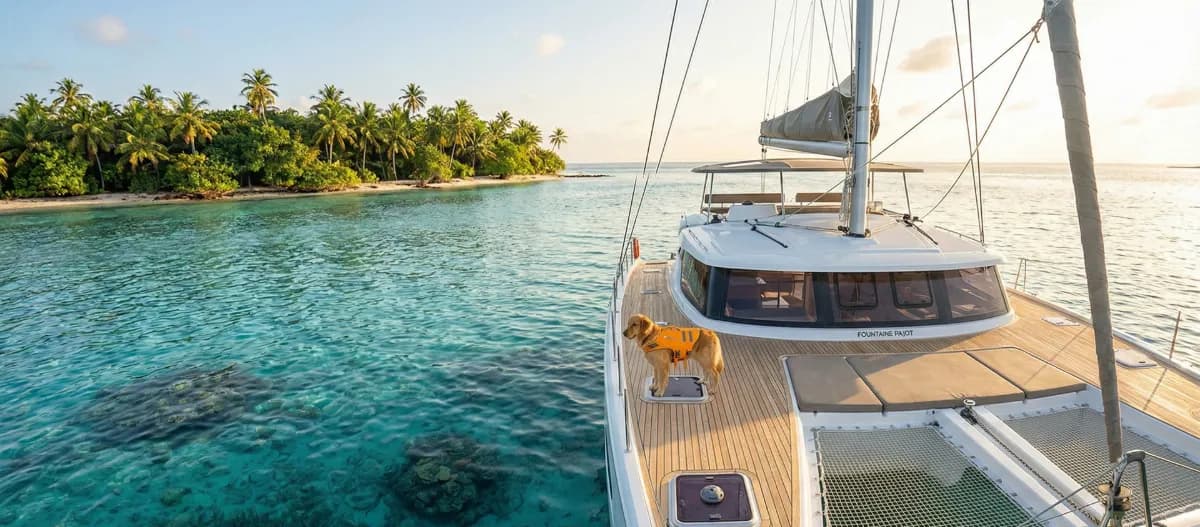
Mandatory Canine PFDs: Even for breeds known as strong swimmers, a canine Personal Flotation Device (PFD) is essential. It provides buoyancy in choppy water and, more importantly, features a reinforced "lifting handle" on the back, allowing the crew to safely hoist the dog back on board or into a tender.
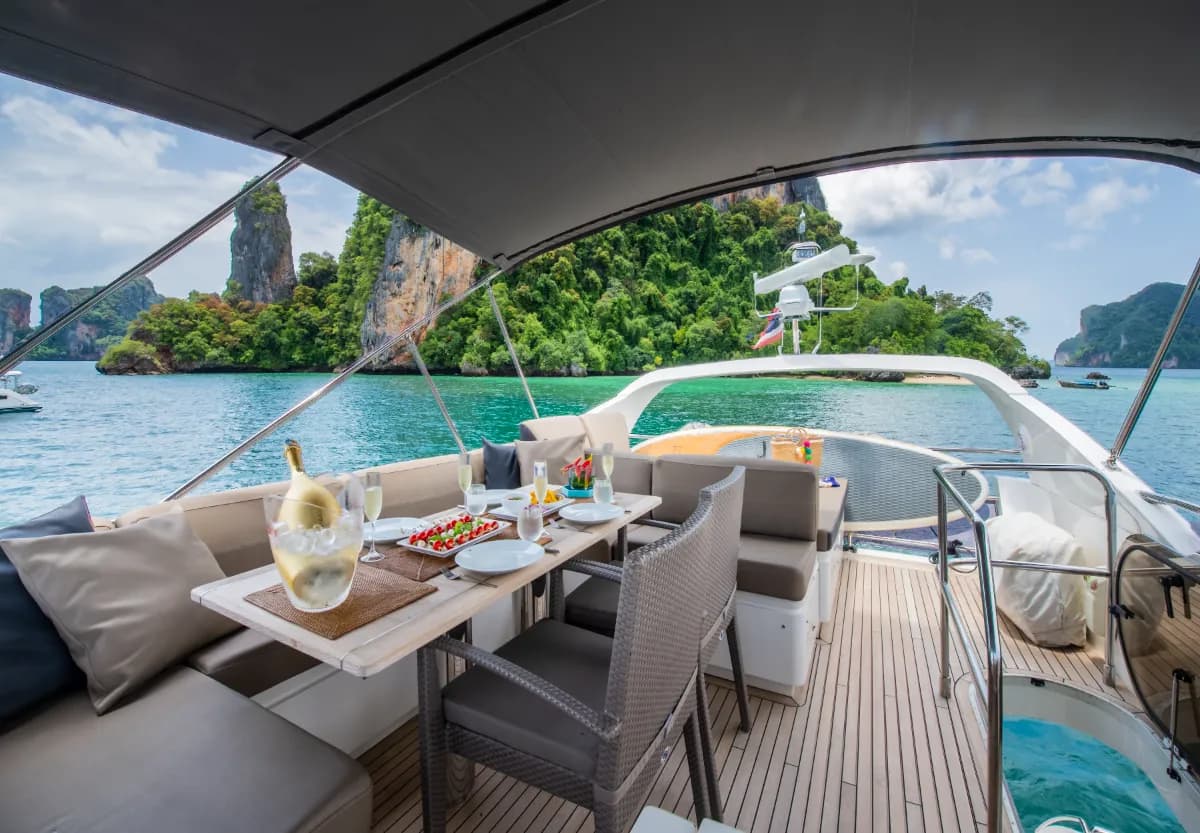
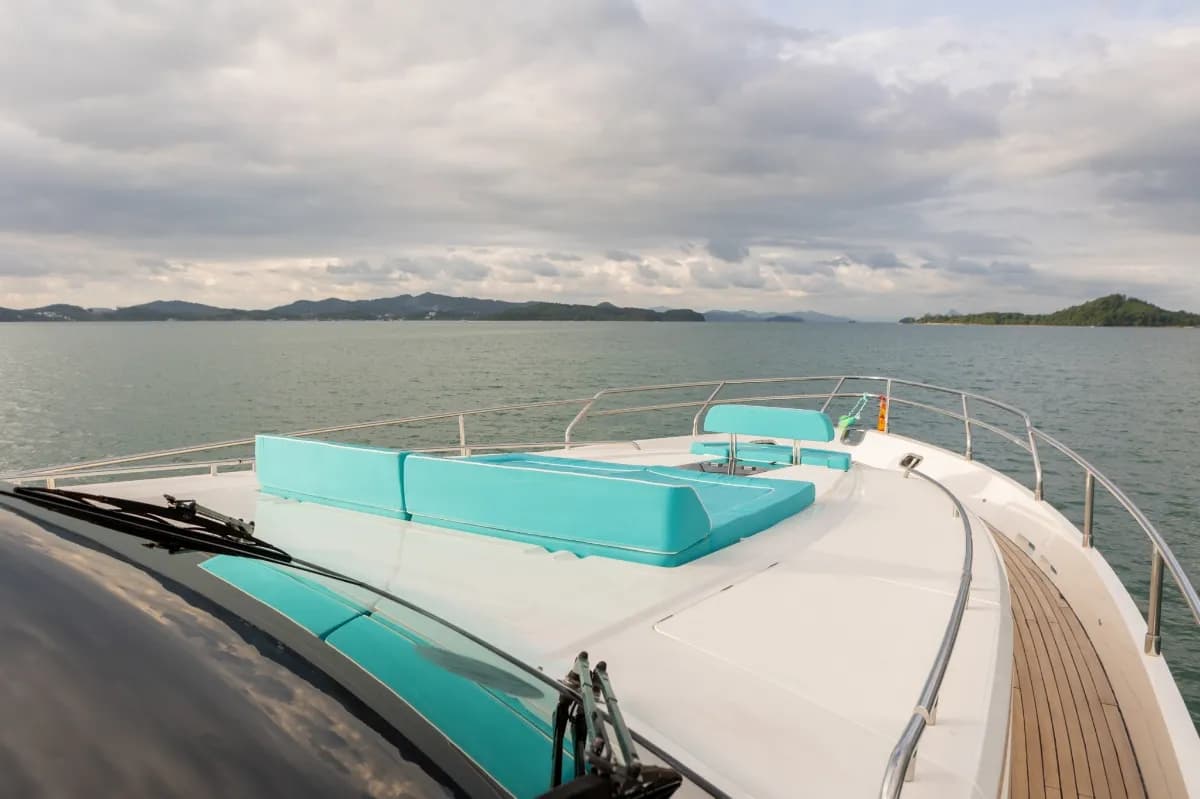
The "Teak Grip" Challenge: Polished decks can be slippery for paws. Professional pet-friendly yachts often utilize non-slip mats or suggest "paw wax" to increase traction, preventing joint injuries during sudden maneuvers.
Heat Sink Management: Decks-especially dark composite materials-can reach temperatures exceeding 50°C in the tropical sun. Always verify the deck temperature before allowing your dog to walk; if it is too hot for your hand, it is too hot for their paws.
Operational Logistics: The "Green Zone" Protocol
The most significant logistical challenge of bringing a dog on board is waste management. A professional charter avoids "accidents" on the teak by establishing a disciplined routine.
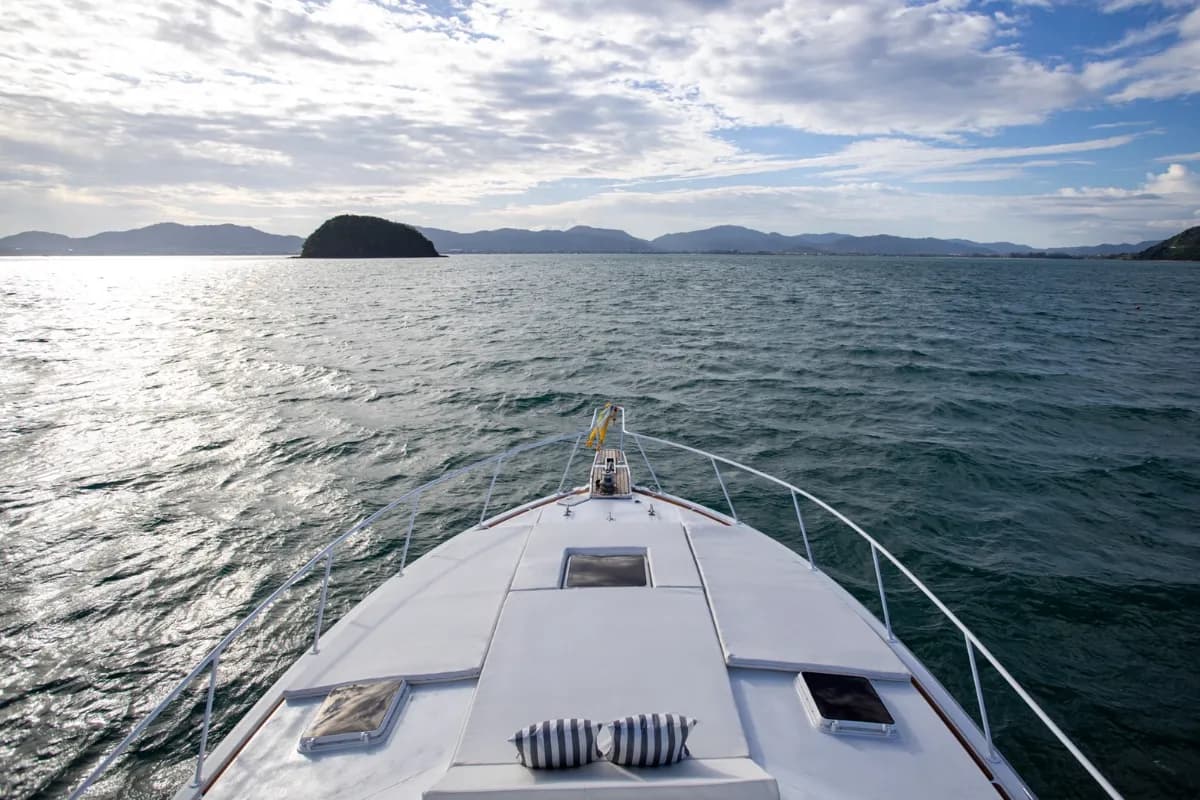
The Artificial Turf Solution: Many experienced maritime pet owners utilize a small patch of artificial grass or a specialized "porch potty" placed in a secure, well-ventilated area of the deck (typically the bow or a dedicated utility area).
Pre-Departure Conditioning: Before the anchor is lifted, ensure the dog has had significant "land time" for exercise and relief. This reduces anxiety and aligns their biological clock with the vessel's schedule.
Hydration Infrastructure: Salt air and high temperatures lead to rapid dehydration. Utilize "no-spill" weighted water bowls to ensure a constant supply of fresh water is available even when the yacht is in motion.
Feature | Shore-Based Routine | Onboard Protocol |
Relief Area | Variable (Grass/Dirt) | Fixed (Artificial Turf/Pad) |
Hydration | Standard Bowl | Non-Spill / Weighted Bowl |
Movement | Free Roaming | Tethered (when cruising) |
Safety | Collar/Harness | Canine PFD with Handle |
Strategic Itinerary Planning for Pets
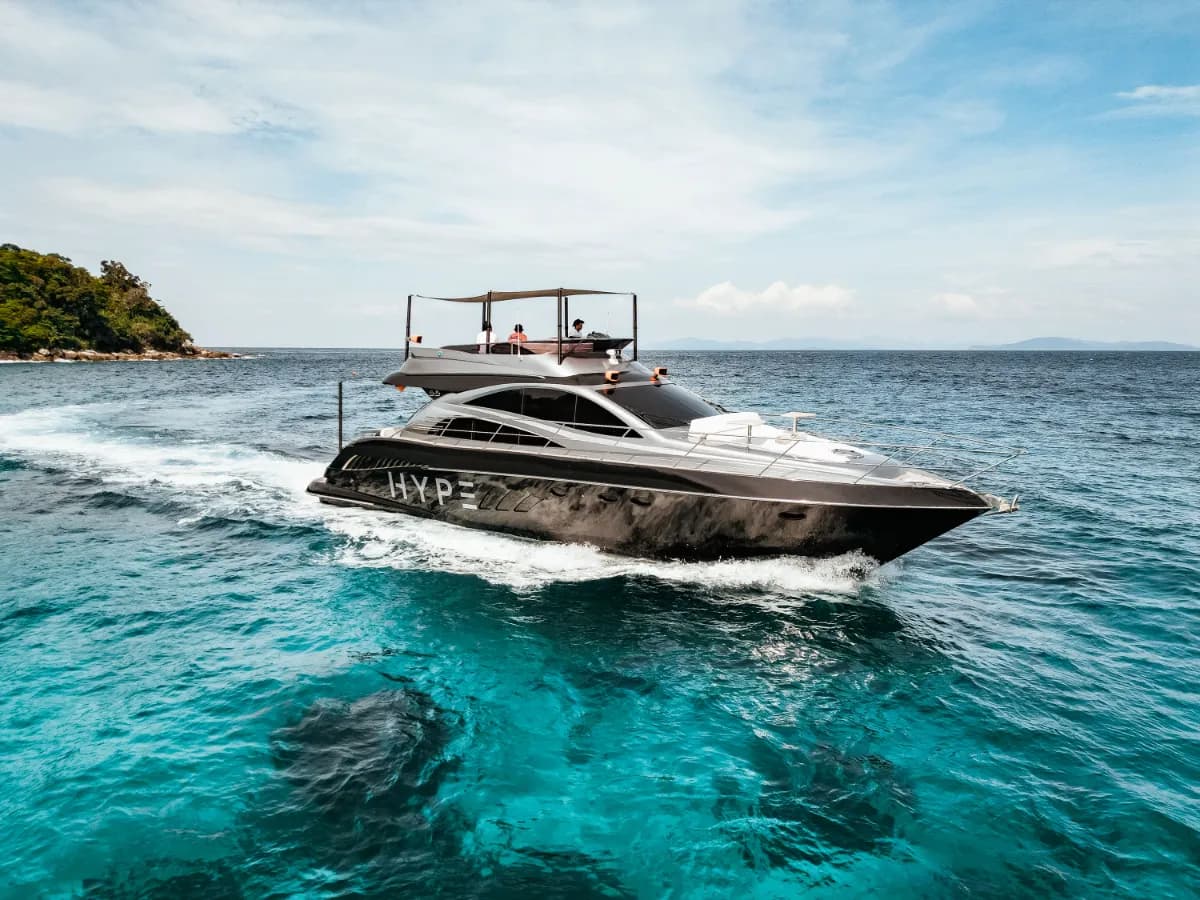
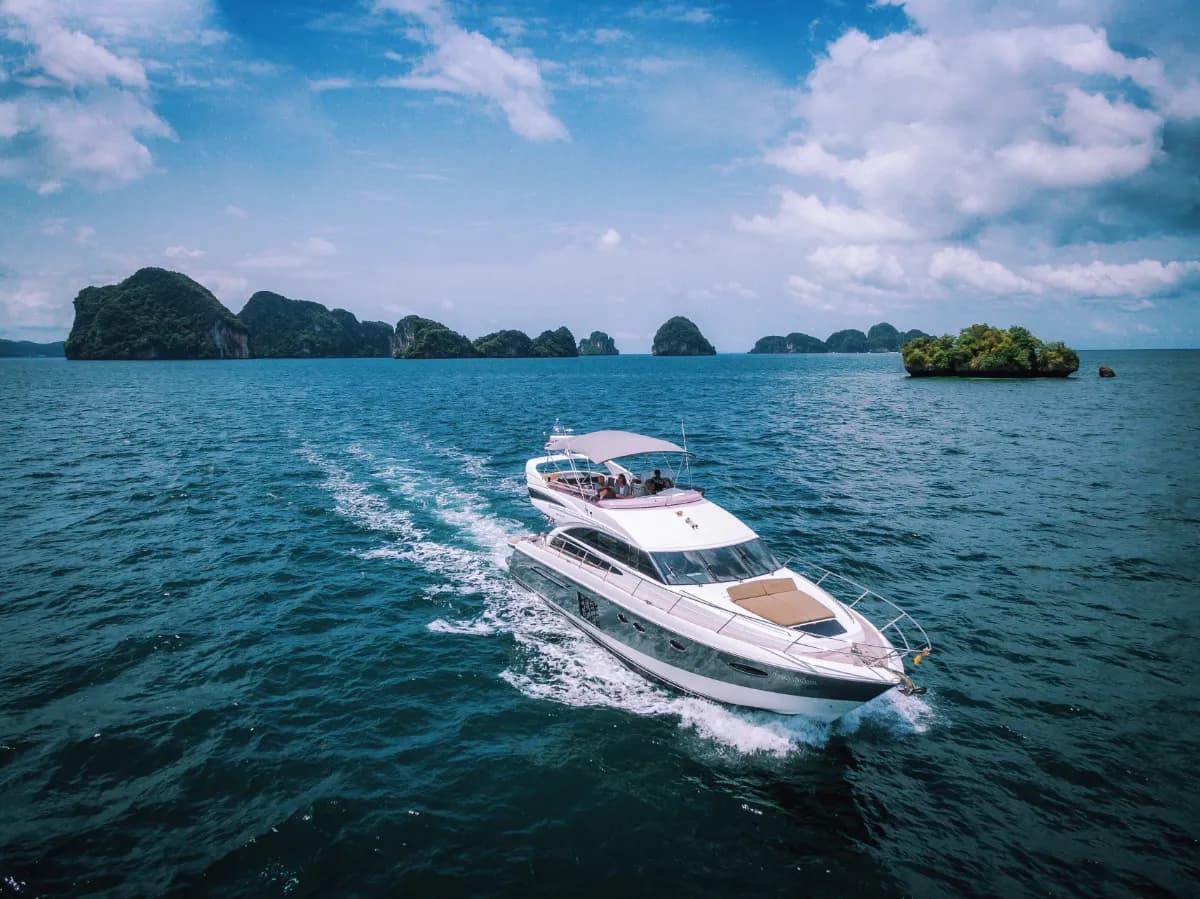
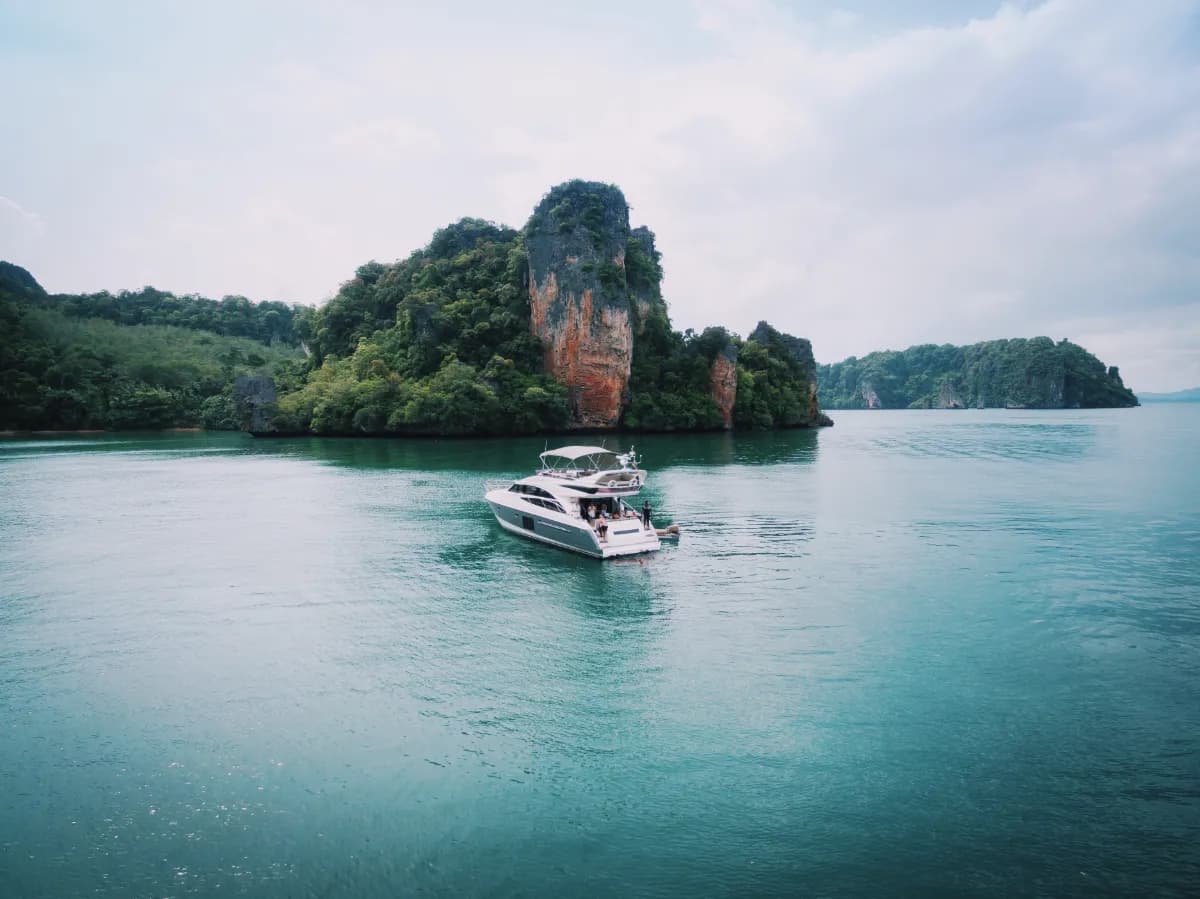
When sailing with a dog, the choice of destination is a tactical decision. Not all islands or national parks in Thailand are pet-friendly.