Understanding and Overcoming Motion Sickness at Sea
The fear of seasickness, scientifically known as kinetosis, is one of the most common barriers preventing travelers from fully enjoying the majesty of a private boat trip. This sensation occurs when there is a conflict between what your eyes see and what your inner ear senses regarding motion. While the Andaman Sea around Phuket is generally calm during the high season, the natural swell of the ocean can still affect those who are not accustomed to the movement of a vessel. As a strategic partner in your travel planning, we believe that education and preparation are the keys to ensuring every guest remains comfortable and focused on the stunning tropical scenery rather than their physical equilibrium.
Fortunately, motion sickness is entirely manageable with the right combination of prevention and on-board tactics. Modern yachting technology has also made significant strides in vessel stability, meaning that the "rocking" sensation is far less pronounced than it was in years past. By understanding the causes of seasickness and following a few professional tips, even the most sensitive travelers can spend a full day on the water in total comfort. This guide outlines the most effective strategies for preventing and managing motion sickness, allowing you to embrace the luxury of a private charter with absolute confidence.
The Science of Sensory Conflict and Prevention
Seasickness happens when your brain receives conflicting signals. Your inner ear tells your brain that you are moving because of the waves, but if you are looking at a static object like a phone screen or a book, your eyes tell your brain that you are stationary. This confusion leads to symptoms like dizziness, nausea, and fatigue. The secret to prevention is to harmonize these signals before the symptoms even begin. Many guests find that taking preventative measures early in the morning is the most effective way to guarantee a smooth day.
There are both natural and pharmaceutical options available to help your body adjust to the sea. Natural remedies such as ginger have been used for centuries by sailors to calm the stomach. Ginger ale, ginger tea, or even ginger candies can be remarkably effective. For those who require a more robust solution, over the counter antihistamines or scopolamine patches are highly reliable. These medications work by desensitizing the balance center in the inner ear, preventing the brain from reacting to the boat's motion. It is always advisable to test these medications before your trip to ensure they do not cause excessive drowsiness.
Tactical Positioning on the Vessel
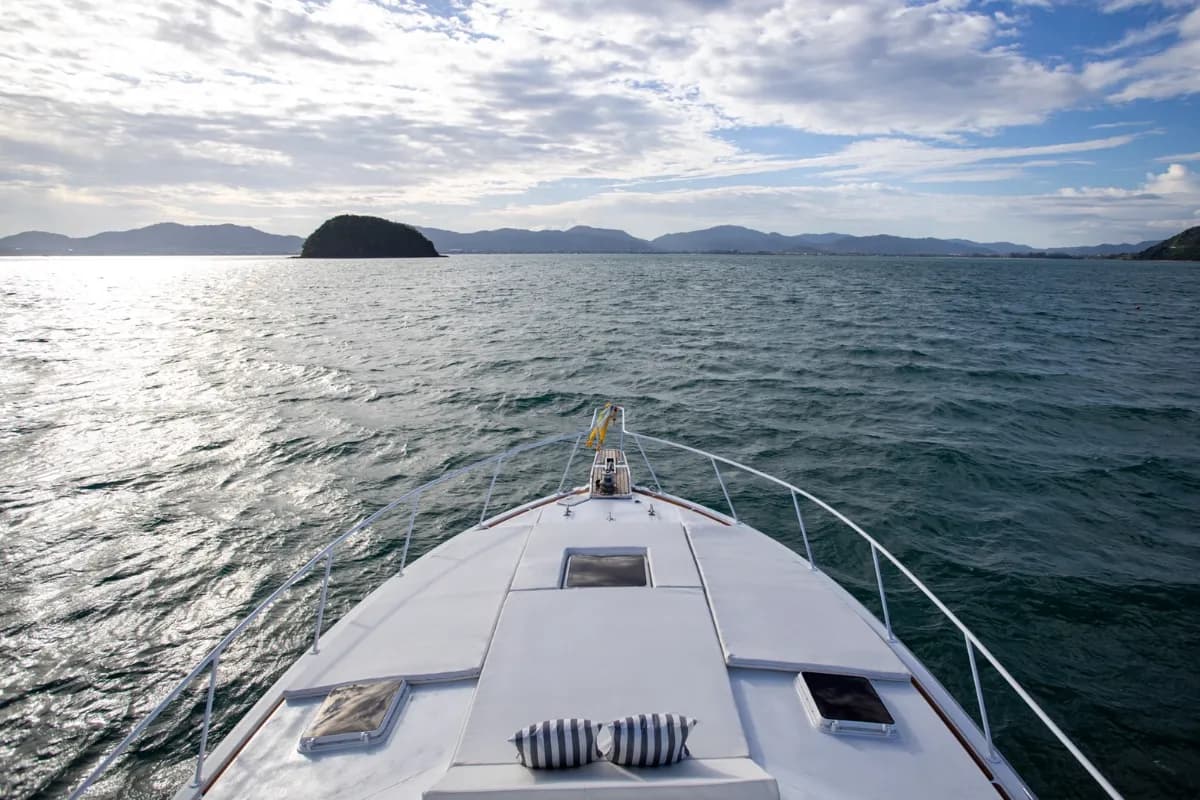
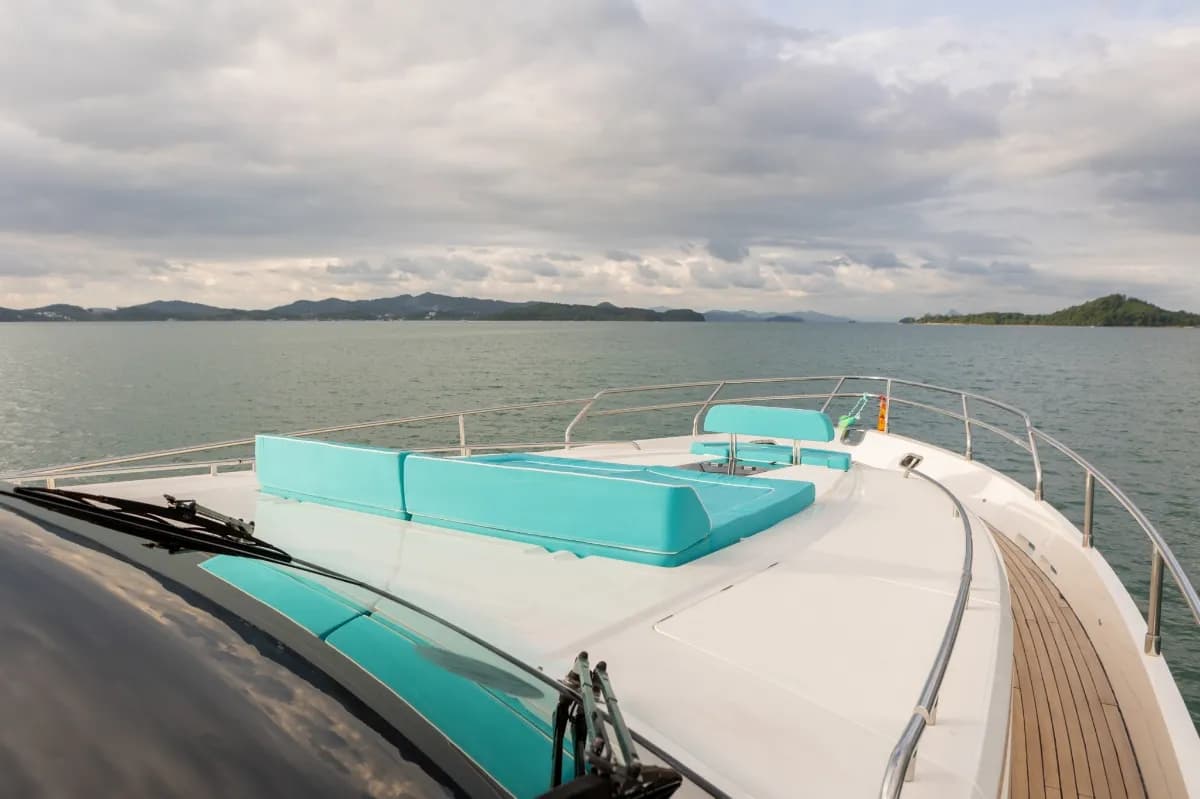
Where you spend your time on the boat can have a massive impact on how you feel. The center of the vessel, both vertically and horizontally, is the point of least motion. This is the "pivot point" around which the rest of the boat moves. If you start to feel uneasy, moving to the center of the yacht and staying on the lower deck will minimize the sensation of swaying. Avoid the very front of the boat (the bow) or the very top (the flybridge) if the water is choppy, as these areas experience the most dramatic movement.
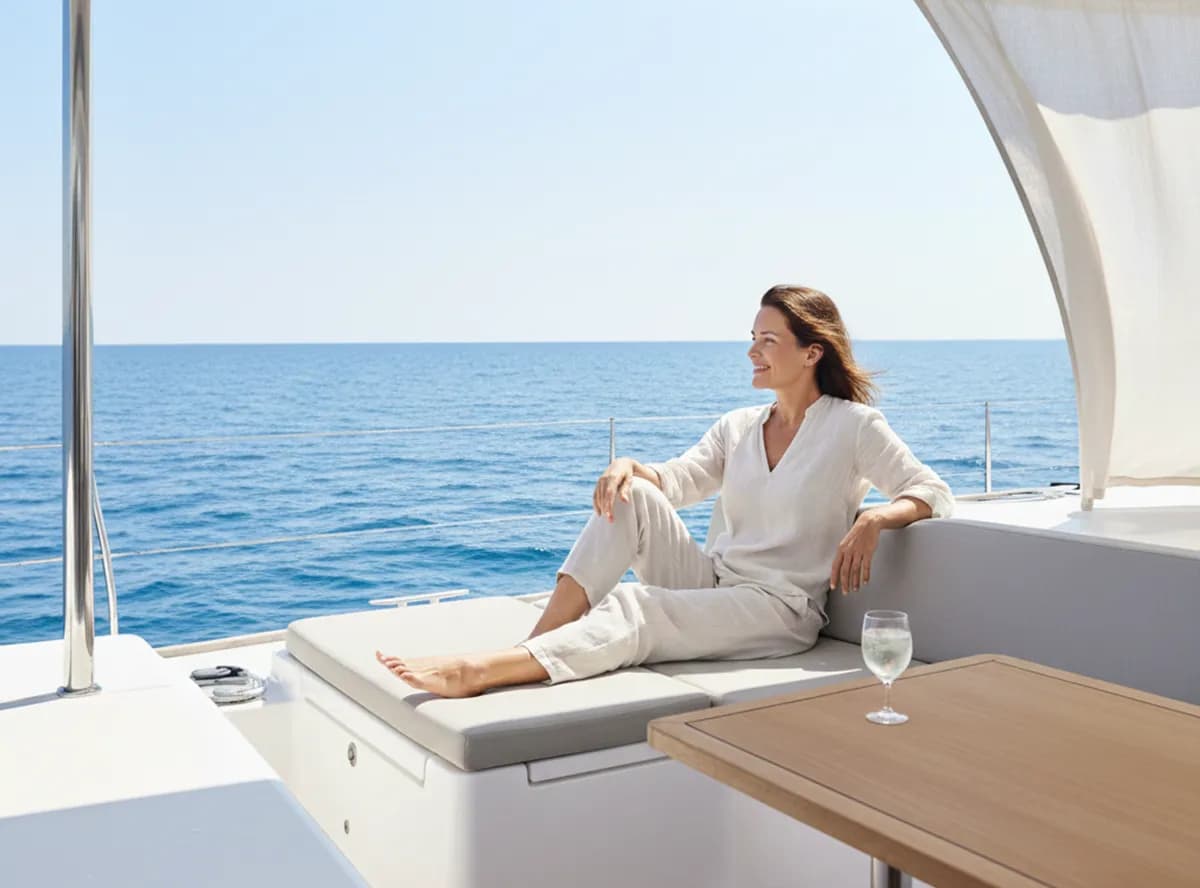
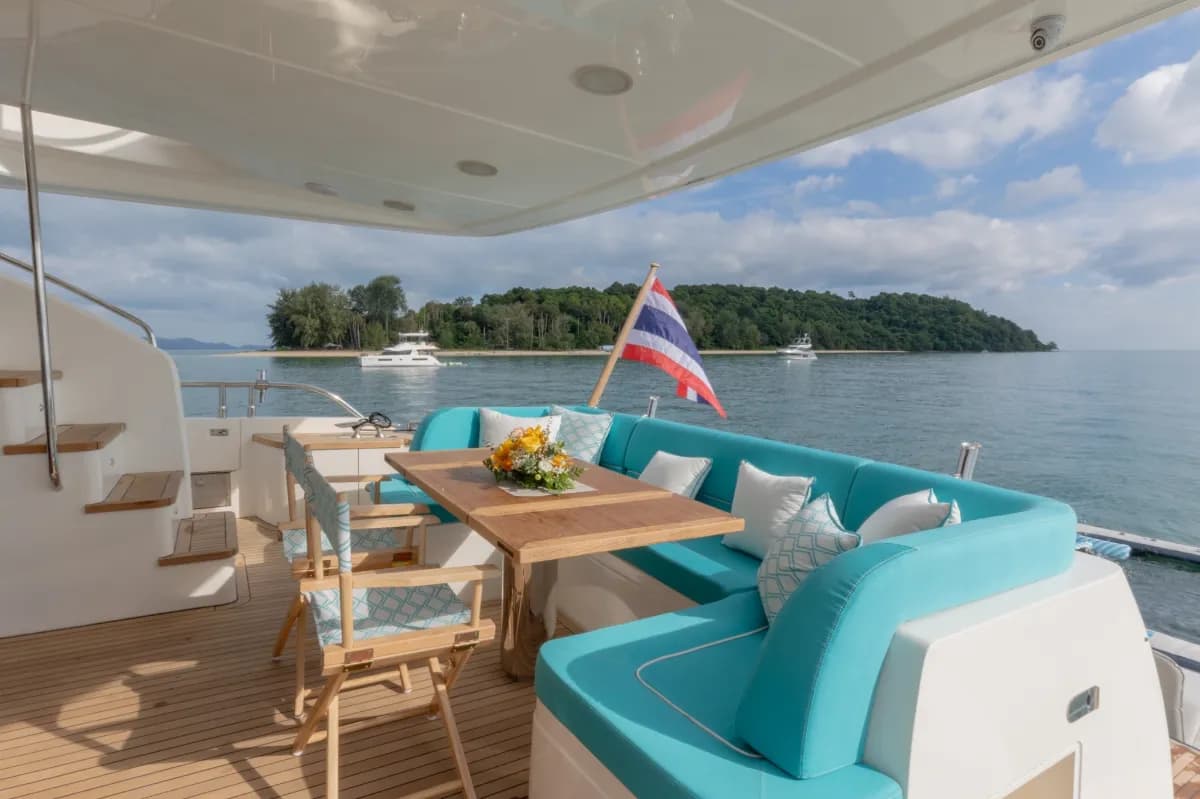
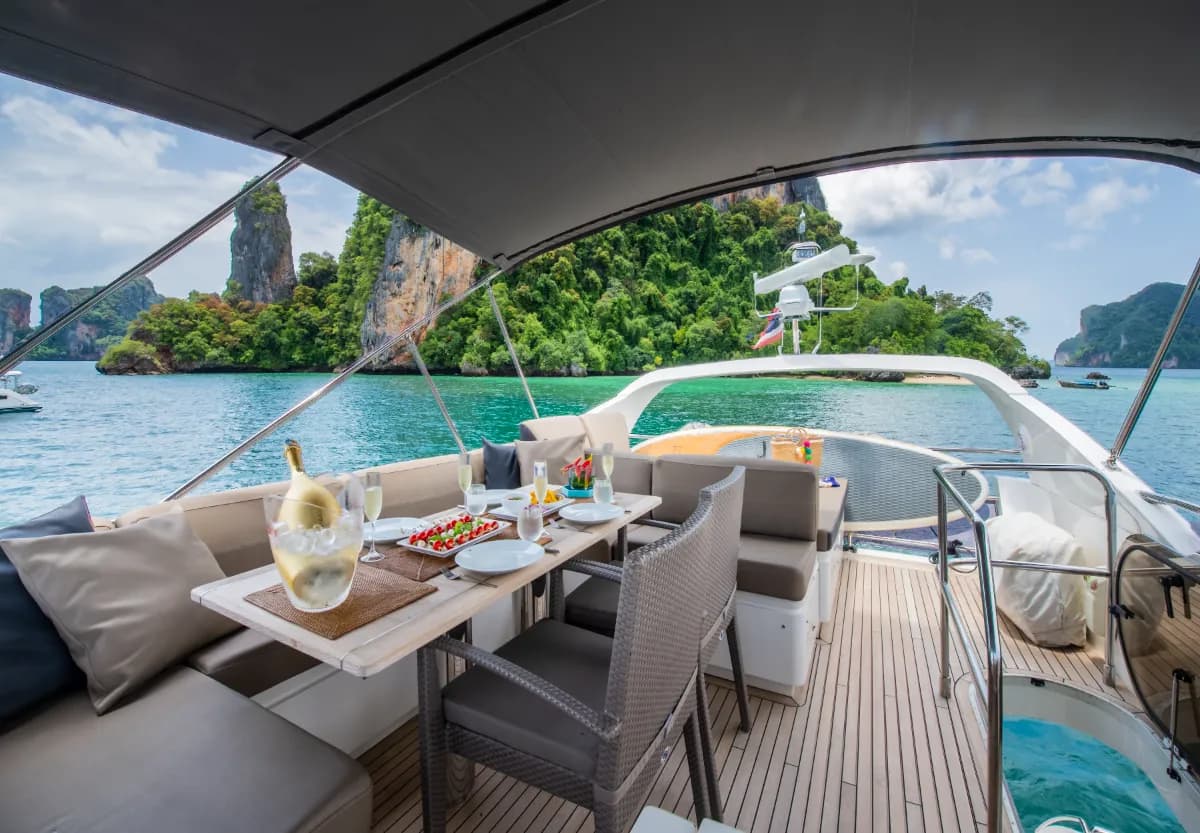
Another critical factor is your visual focus. One of the best ways to recalibrate your brain is to look at the horizon. The horizon provides a stable, fixed reference point that matches the motion your inner ear is sensing. Fresh air is also a powerful ally. Staying in an enclosed, air conditioned cabin can sometimes worsen symptoms because you lose that visual connection with the outside environment. Step out onto the deck, find a comfortable seat in the shade, and let the sea breeze help regulate your body temperature and breathing.
Consult with a professional: If you are prone to motion sickness, speak with a pharmacist at least 24 hours before your charter to choose the right medication for your needs.
Position yourself strategically: Stay in the middle of the boat where the motion is least intense and keep your eyes on the horizon line.
Maintain proper hydration: Drink plenty of clear liquids like water or ginger ale, but avoid heavy, greasy meals and excessive caffeine before boarding.
Choosing the Right Boat for Maximum Stability
The type of vessel you choose through our aggregator platform is perhaps the most strategic decision you can make regarding comfort. For guests who are particularly sensitive to motion, we almost always recommend a catamaran. Because a catamaran has two hulls spaced far apart, it does not rock from side to side like a traditional single-hull boat. It remains remarkably level even when crossing through the wake of other vessels. A large power catamaran or a sailing catamaran provides the most stable platform available for a day in the Andaman Sea.
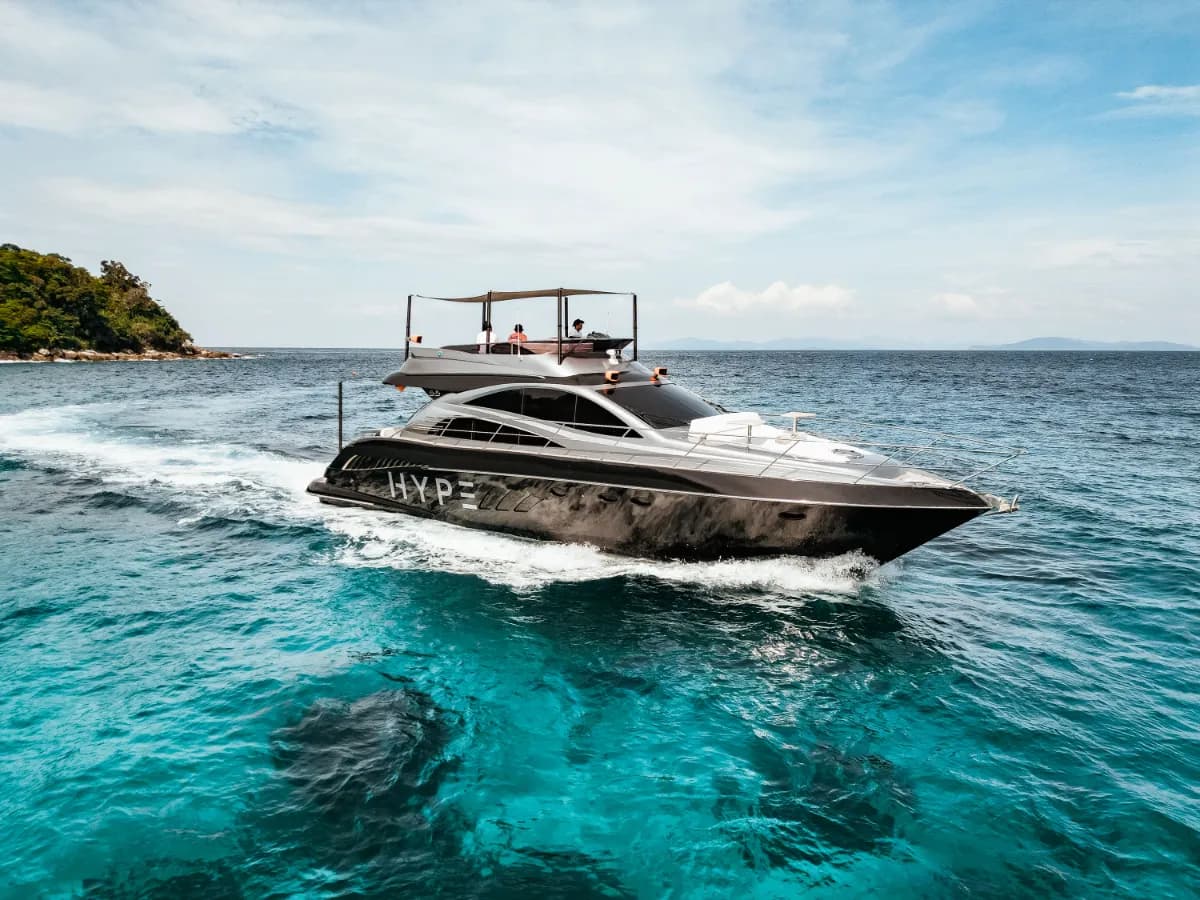
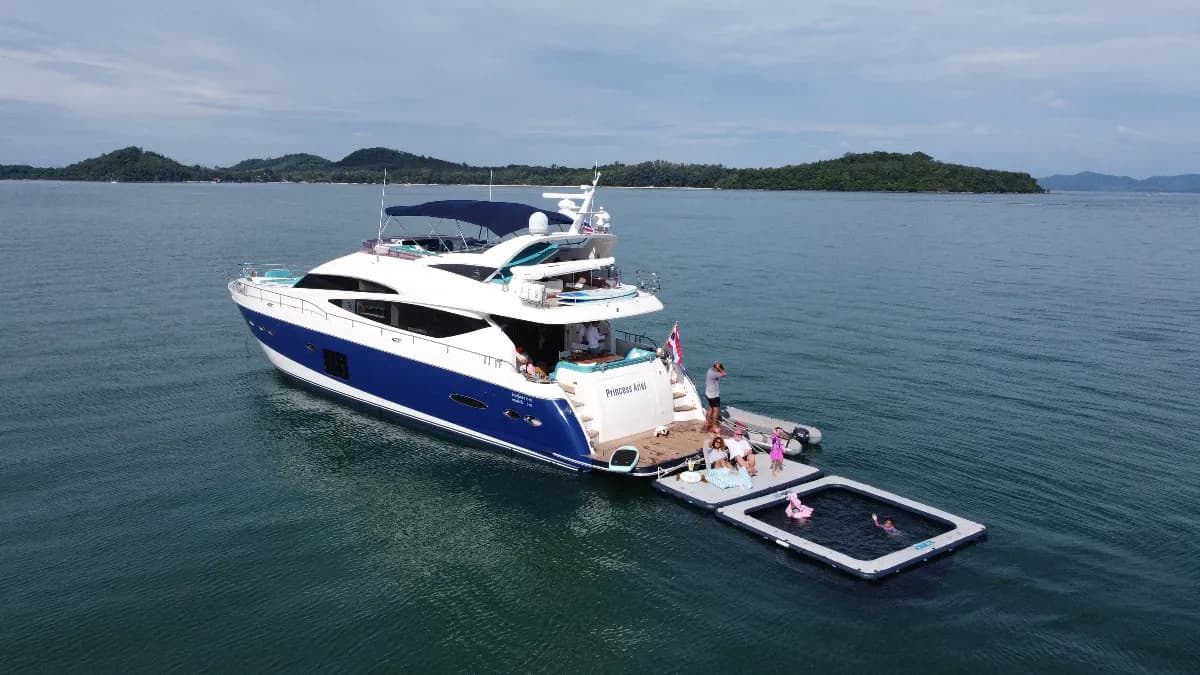
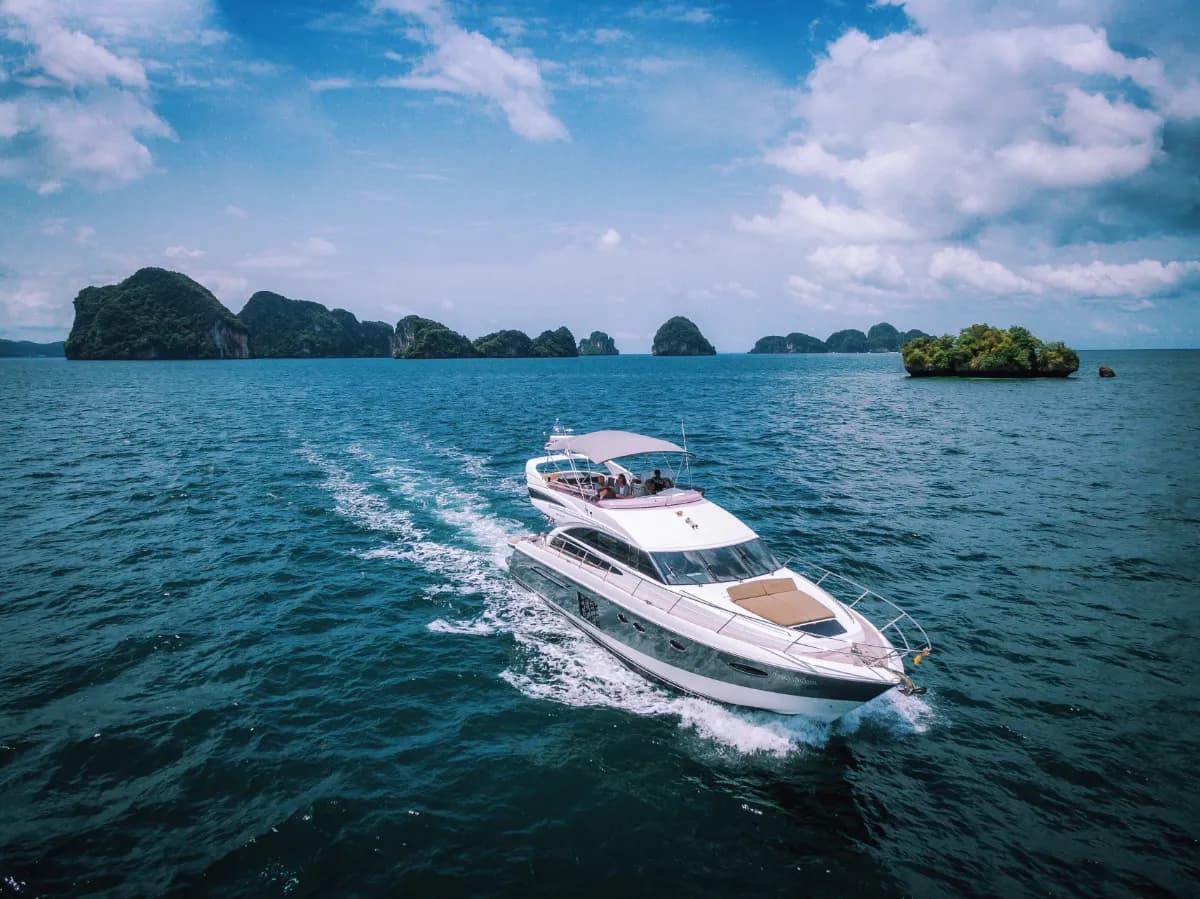
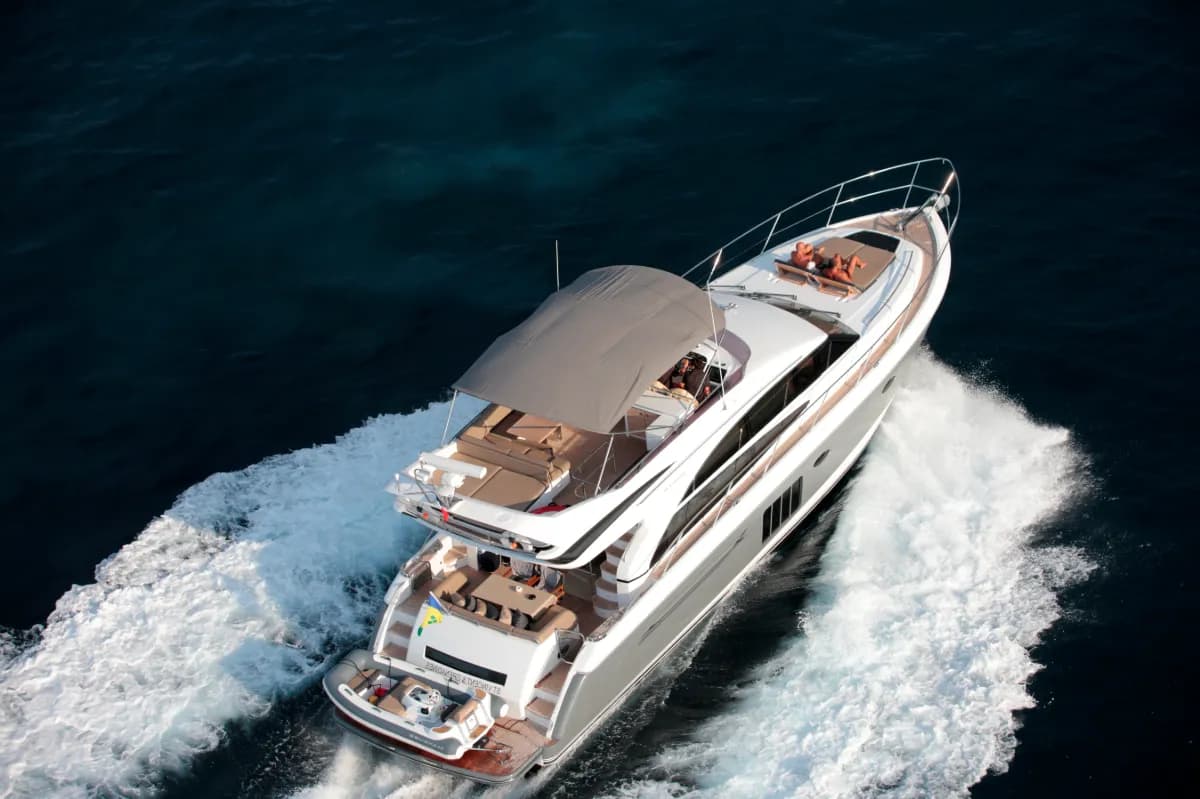
For those who prefer a motor yacht, look for vessels equipped with stabilizers. These are underwater fins or internal gyroscopes that actively counter the rolling motion of the sea. While these are typically found on larger, high end yachts, they provide a "hotel-like" level of stability that makes the motion almost unnoticeable. By selecting a boat that matches your sensitivity level, you ensure that your trip is defined by relaxation rather than endurance.
Focus on the horizon: Always look at the distant, stable line of the sea to help your brain sync with the boat's movement.
Stay in the fresh air: Avoid enclosed spaces and let the natural breeze cool your skin and settle your senses.
Avoid heavy tasks: Do not try to read or look at your phone for long periods while the boat is in motion, as this triggers sensory conflict.
In conclusion, seasickness is a manageable condition that should never prevent you from experiencing the beauty of Thailand's islands. Through a combination of early prevention, smart positioning, and selecting the right vessel through our platform, you can guarantee a comfortable and enjoyable journey. Our captains are also experts at reading the water and can often adjust the speed or route to find calmer passages. At the end of the day, your comfort is our priority, and with these tips, you are ready to set sail and create unforgettable memories in the heart of the ocean.