Accessible Yachting Strategic Options for Elderly Guests
Modern luxury yachting now prioritizes accessibility for elderly travelers through specialized vessel design and crew protocols. Power catamarans offer superior stability and single-level layouts, while hydraulic platforms enable safe boarding. Professional crews implement dry-landing procedures, climate control management, and nutritious meal planning. This approach transforms maritime travel into an inclusive, comfortable experience for all generations, ensuring seniors enjoy ocean exploration...
Redefining Inclusivity in Maritime Luxury
Maritime travel should be a seamless experience for all generations, yet the physical architecture of a standard vessel often presents obstacles for guests with reduced mobility or specific comfort requirements. For elderly travelers, the objective is to maximize the "Ease of Movement" while maintaining the high-status atmosphere of a private charter. In the modern maritime sector, achieving accessibility is a technical challenge met by specialized vessel design and disciplined crew protocols. As a professional collaborator, I recognize that the successful inclusion of elderly guests depends on selecting the right platform—one that prioritizes stability, single-level living, and "Dry-Landing" capabilities.
The transition from the mainland to the sea should be characterized by security rather than exertion. By focusing on vessels with wide beams and integrated boarding systems, we ensure that the healing power of the ocean is accessible to every member of the family, regardless of their physical agility.
Technical Architecture: Choosing the Right Vessel
When planning a voyage for elderly guests, the choice of hull design is the most critical variable.
1. The Power Catamaran: The Gold Standard
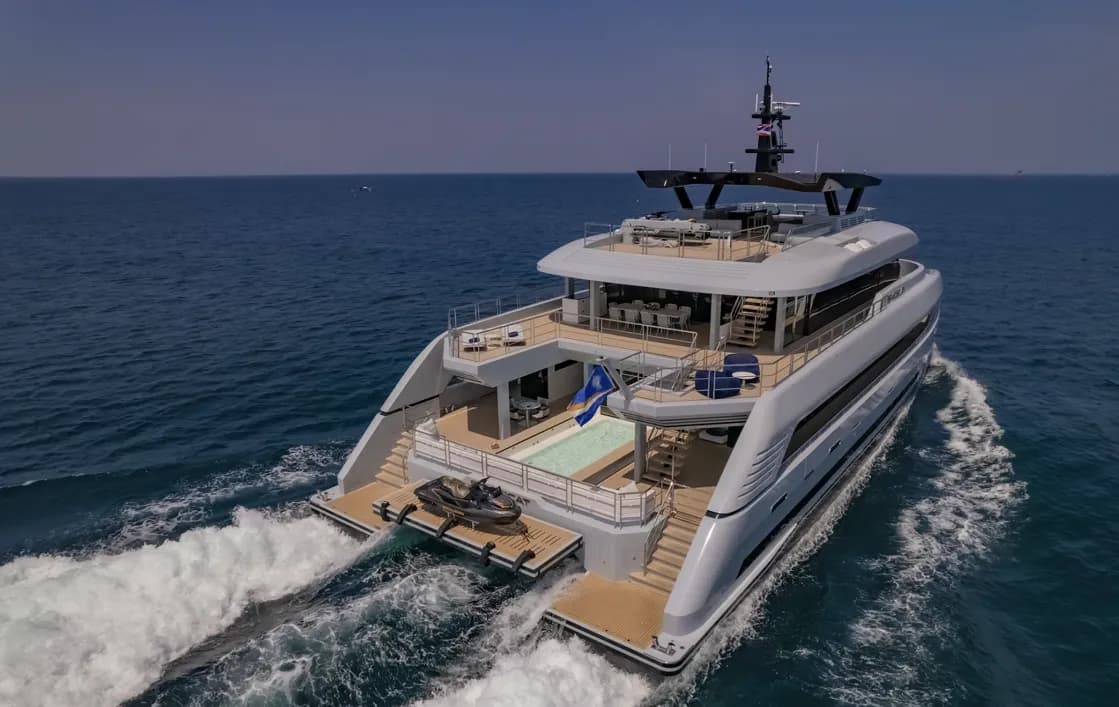
For accessibility, the power catamaran is the superior strategic choice over a monohull.
Stability: The twin-hull design minimizes rolling (side-to-side motion), which is the primary cause of falls and seasickness among elderly passengers.
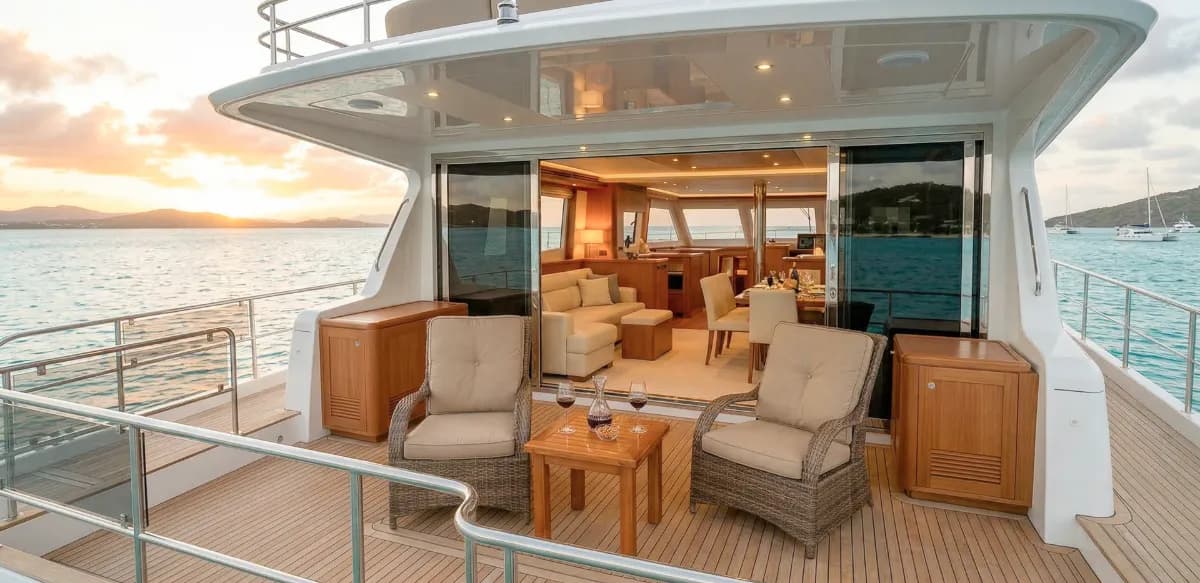
Single-Level Flow: Many modern catamarans feature a "Flush-Deck" layout, where the salon and the aft cockpit are on the same level, eliminating the need for steep stairs.
Wide Side-Decks: Wide, flat walkways with high-integrity handrails allow for safe "walk-around" access from the stern to the bow.
2. Specialized Boarding Infrastructure
The most significant physical barrier is embarkation.
Hydraulic Swim Platforms: These platforms can be lowered below the waterline, allowing guests to step onto the boat or into a tender without climbing ladders.
Side-Boarding Gates: Professional vessels equipped with side gates allow for "level-entry" from the marina pier, bypassing the need to step over the gunwale.
Operational Strategies for Comfort and Safety
To ensure a high-fidelity experience, the crew must adhere to specific "Elderly-Care" protocols:
The "Dry-Landing" Priority: Avoid "Wet Landings" (where guests must step into shallow water). The captain should prioritize destinations with floating piers or utilize high-stability tenders with easy-entry steps.
Climate Control Management: Elderly guests are often more sensitive to thermal extremes. Ensure the vessel’s WCAG 2.1 compliant interface (for digital climate controls) is managed to maintain a consistent, pre-cooled interior temperature.
Hydration and Nutrition: The galley should be briefed to provide "Low-Impact" menus—high-nutrition, easy-to-digest meals with constant access to chilled, filtered water to prevent heat exhaustion.
Conclusion: Bridging the Generational Gap
Accessible yachting is not about compromise; it is about the engineering of comfort. By selecting a vessel designed for stability and a crew trained in assisted logistics, you transform a potentially stressful environment into a safe, multi-generational sanctuary. The sea provides a unique opportunity for elderly guests to experience the landscape without the physical strain of land-based travel.